
In Partnership With

Forwarded this by a friend? Subscribe here to join the community and never miss out!
THIS WEEK
Land Rover is doing Pilates pop-ups. Dua Lipa launched a fitness brand. The wellness activation boom is real and here's how to tell the good ones from the hollow.
Every brand has a wellness activation now. Some of them are genuinely good. Some of them are a logo on a mat and a branded water bottle. This week we're talking about the difference and pointing you toward the ones actually worth your time.
The Wellness Activation Is The New Brand Drop

The wellness activation is the new brand drop. Here is what is actually going on.
Land Rover parked outside a Pilates studio in Coral Gables. Dua Lipa launched a fitness brand and tapped a Miami collective to bring its activation to life. A luxury yacht parked in the marina in Cannes showed up for the Cannes Film Festival. An athletic apparel company outfitted a retreat in Costa Brava and supplement brand handed out creatine and protein to kick off a wellness weekend.
This is not a coincidence. It is a strategy. And it is reshaping what a brand launch, a product drop, and a marketing moment look like in 2026.
The wellness activation has become the new press release. Where brands used to buy a billboard, tap into influencer marketing, or send a PR email, they now produce an experience. A curated morning workout at a rooftop venue. A branded recovery station at a festival. A retreat where every product in the gift bag is a partner. The logic is sound: if you can get someone to associate your brand with how their body felt after an hour of movement and a cold plunge, you have done something advertising cannot.
The question worth asking is when it starts to feel like a lot.
The activation boom, explained
The shift has been building for several years but accelerated sharply post-pandemic, when experiential marketing found a ready audience in a generation that had spent two years inside and was desperately hungry for IRL community.
Wellness was the perfect container. It carries built-in values, an aesthetic, a community, and a reason to gather. Brands that wanted to reach health-conscious, high-spending women in their late 20s and 30s quickly figured out that sponsoring a run club or co-producing a breathwork event got them closer to that audience than any paid social campaign.
The format WellUp Collective pioneered in Miami is a useful model for understanding what the best activations look like: small and curated, 40 to 60 people maximum, hand-picked instructors, unexpected venues that have no business hosting a workout class but look unreal doing it, and gift bags with full-size products from real brand partners. That specific formula, replicated well, produces genuine community moments. Replicated badly, it produces a pop-up that feels like a sponsored Instagram post in three dimensions.
The difference is visible the moment you walk in.
What a good activation actually looks like
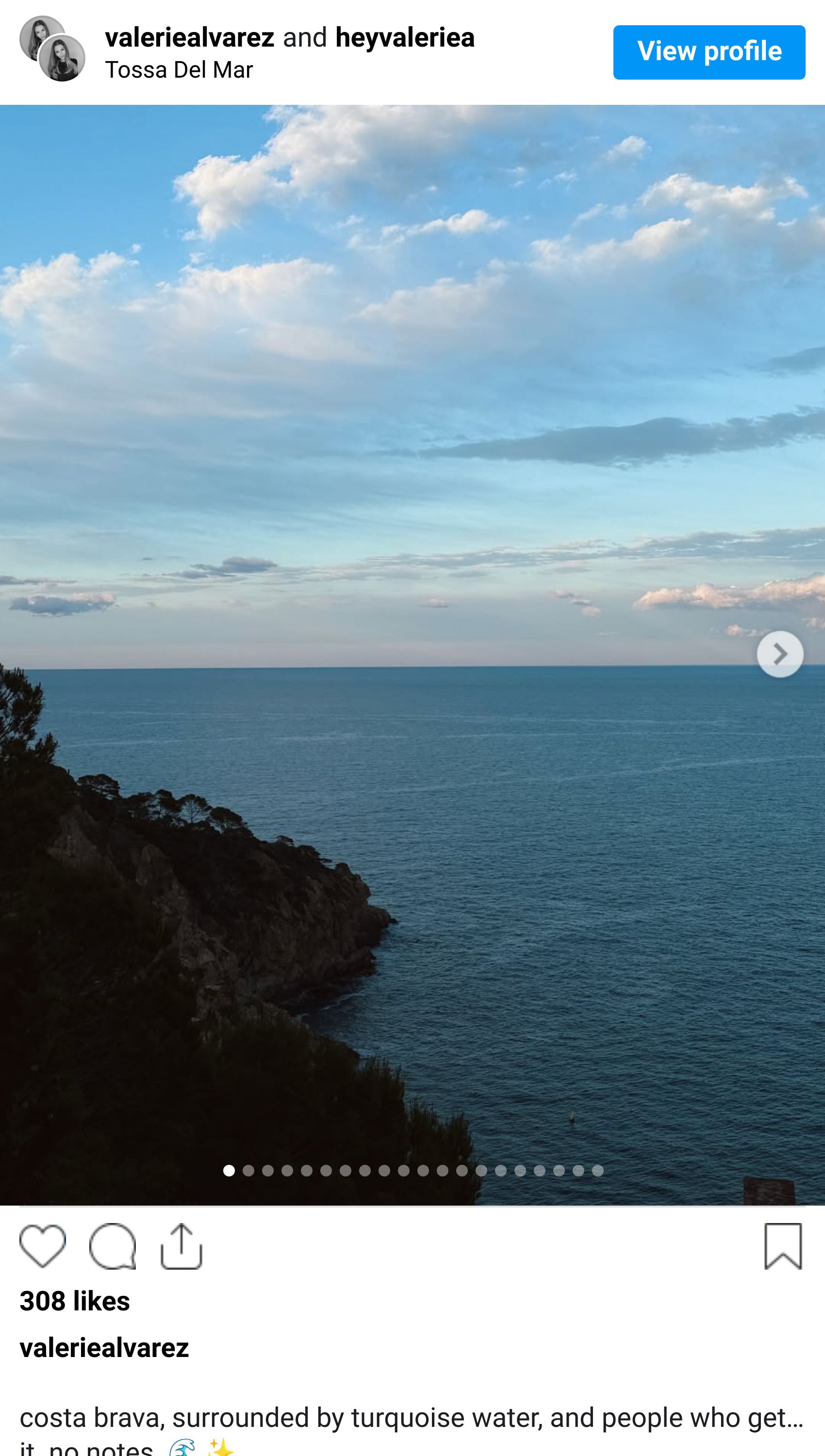
Last weekend, Pomona Club hosted a retreat in Costa Brava that is a useful example of the format done right. Born Yoga activewear outfitted participants. Kobho Labs brought creatine and protein. Suprey provided electrolytes. The group stayed at Zel Costa Brava, a hotel genuinely oriented around wellness as a lifestyle rather than a selling point. None of it felt like advertising because none of it was incidental. Every brand in the room was there because it belonged.
Elements Madrid operates on a similar principle, crafting luxury wellness events inspired by the five elements across Madrid, Miami, and Mexico City. The activations are small, intentional, and brand-partnered in a way that feels editorial rather than promotional. Root + Renew has been part of their programming. When it works, you cannot easily tell where the content ends and the sponsorship begins. That is the goal.
WellUp Collective in Miami is doing the same thing at the other end of the Atlantic. Recent activations include a Bare Pilates flow with Sporty and Rich at The Biltmore Coral Gables, a Soho House pool takeover with a fashion brand, and a Pvolve rooftop session at The Shelborne. The through-line is always the same: a real venue, a real instructor, a real community, and brand partners that fit without announcing themselves.
And then there is Alo, which just executed what is arguably the most ambitious wellness activation of the year. The brand launched a full French Riviera takeover timed to the Cannes Film Festival: permanent retail sanctuaries in Cannes and Saint-Tropez, a pier takeover at the Hotel Martinez running through June 14, and an invitation-only 72-metre superyacht hosting Pilates, recovery therapies, and meditation sessions in the Cannes bay before sailing to Monaco for the Grand Prix. In-store programming included sound bowl healing, ear seeding, run clubs along La Croisette, and beach yoga at the Martinez pier. The stores are positioned not as retail spaces but as sanctuaries, reframing the shopping experience as part of a larger wellness lifestyle environment.
That is what it looks like when a brand fully commits to the format. The activation is not supporting the product. The activation is the product.

How to read a wellness activation
The wellness activation boom has produced some of the most genuinely fun, well-produced community experiences happening right now. And the brands behind them are not pretending otherwise. The whole point is a branded lifestyle moment, and when it is done well, everyone in the room knows it and does not care because the experience is actually good.
The brands that get this right understand that the activation has to deliver something real for the audience, not just for the campaign brief. The electrolytes are there because people are moving. The activewear partner outfitted the instructors because the clothes actually perform. The hotel was chosen because it genuinely lives the positioning. The gift bag has things you will use in three months.
That is smart marketing. It works because the value exchange is honest. The brand gets access to a highly engaged, wellness-oriented audience. The audience gets a well-produced experience, quality products, and a community moment they would have paid for anyway.
The activations worth watching are the ones where the brand integration feels like it was designed in from the beginning rather than added on at the end. Where the venue, the programming, the partners, and the community all make sense together. That is the standard Elements Madrid, WellUp Collective, Alo, and InReach World are setting and it is a high one.
The wellness activation is not going anywhere. If anything it is getting more sophisticated. Knowing which ones are worth your Saturday morning is the actual skill.

Rest weeks are part of training too. Strava lets you log everything or nothing, track your active minutes, and see your month at a glance. Useful for noticing when you've actually been moving consistently versus when life took over. Free to download and you can also subscribe to premium for more features. Use code VALERIA for 20% off.
You’re 28 days away from firmer, glowier skin.

Aramore’s MIT & Harvard co-founders developed a special complex to help boost back skin’s NAD+, the molecule that controls how we age. Best part: you’ll see results in just one skin cycle, or 28 days.
Start your skin transformation with 20% off. Use code NEWSLETTER20.
The brands showing up at wellness events are not doing it because they care about your nervous system. They are doing it because you do. That is not a reason to avoid the events. It is a reason to notice which ones earned the room and which ones just rented it.
See you Sunday!
Valerie
The Wellness Rewind
